


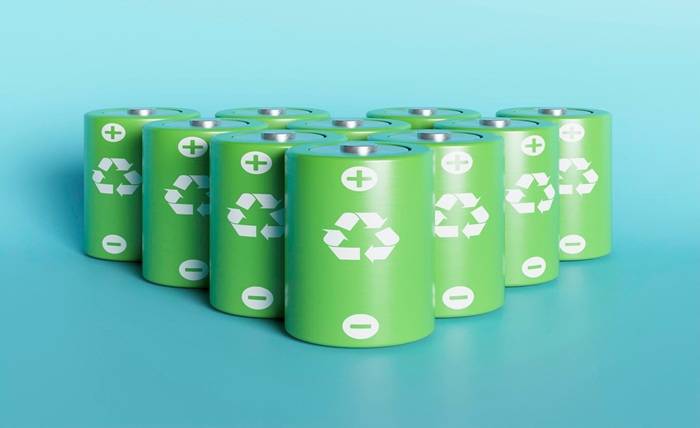
As technology rapidly advances, the world is facing an escalating crisis of electronic and battery waste. Discarded devices, from smartphones to industrial batteries, pose severe environmental and health risks when improperly disposed of. Despite efforts by some nations to establish recycling programs, a lack of universal regulations has led to inconsistent waste management practices across the globe. To mitigate these risks and create a sustainable future, the global community must work toward standardized electronic and battery recycling regulations.
The Growing Need for Standardization
The global production of electronic waste (e-waste) is increasing at an alarming rate. According to reports, the world generates over 50 million metric tons of e-waste annually, with only a fraction being properly recycled. Many electronic components contain hazardous materials like lead, mercury, and cadmium, which can contaminate soil and water if left in landfills. Similarly, lithium-ion batteries, found in everything from laptops to electric vehicles, pose significant fire and environmental hazards when improperly discarded.
Some nations, particularly in Europe, have taken progressive steps to address e-waste and battery disposal through strict laws. However, other regions lack enforcement mechanisms, leading to improper handling, illegal exports, and environmental degradation. Establishing a global standard for e-waste recycling is essential to ensure that all countries adopt responsible waste management practices.
Key Factors in Global E-Waste and Battery Recycling Standards
For e-waste and battery recycling to become a universal standard, several critical elements must be addressed:
1. Harmonized Legislation
A worldwide regulatory framework should establish a uniform set of guidelines governing how e-waste is processed, dismantled, and recycled. This would prevent discrepancies between countries and reduce the risk of electronic waste being improperly disposed of or illegally shipped to developing nations.
2. Advanced Recycling Infrastructure
Many countries still lack the infrastructure needed to process electronic and battery waste efficiently. Investing in specialized recycling facilities with cutting-edge technology can significantly improve recovery rates of valuable materials such as gold, silver, and rare earth metals. Organizations that offer responsible disposal solutions play a vital role in bridging this gap, ensuring that discarded electronics are processed in an eco-friendly manner.
3. Extended Producer Responsibility (EPR)
Global regulations should hold manufacturers accountable for the full lifecycle of their products. This means producers must design electronics with recyclability in mind, implement take-back programs, and ensure their products do not contribute to environmental hazards. Countries enforcing strict EPR laws have seen notable improvements in e-waste collection and processing.
4. Public Awareness and Consumer Participation
Raising awareness about the environmental impact of e-waste is crucial for effective recycling efforts. Consumers should be educated on proper disposal methods and encouraged to use certified recycling programs. Businesses and individuals alike must recognize the importance of sustainable recycling to prevent toxic waste from polluting the planet.
5. Collaboration Between Governments and Private Sector
For a standardized recycling initiative to be successful, governments must work alongside private organizations that specialize in electronic waste management. Establishing global partnerships can enhance waste collection systems, improve recycling technology, and create economic incentives for sustainable practices.
The Future of Global E-Waste and Battery Recycling
A shift toward a globally recognized e-waste and battery recycling standard is not just beneficial—it is necessary. With the rise of electric vehicles, smart technology, and rapid industrialization, electronic waste will continue to grow. Without proper regulations, this could lead to an environmental disaster.
By establishing international recycling standards, investing in infrastructure, and promoting corporate responsibility, the world can significantly reduce the negative impact of electronic waste. The path forward involves governments, businesses, and consumers actively working together to ensure that future generations inherit a cleaner and more sustainable planet.