


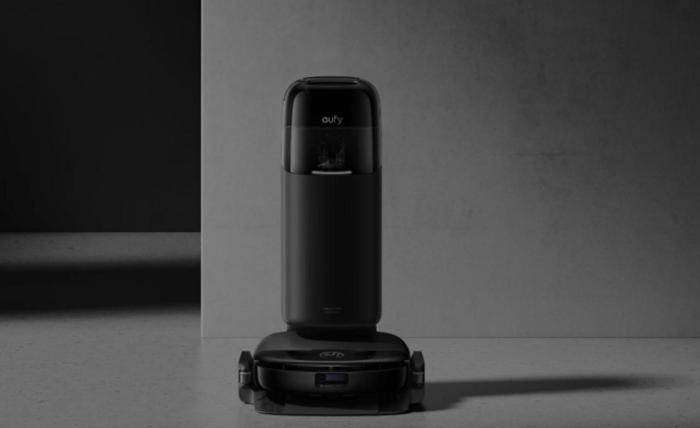
Clean floors once depended entirely on manual effort, but automation has reshaped what everyday cleanliness looks like in modern homes. Many households now rely on robot vacuums not to replace deep cleaning entirely, but to keep dust, crumbs, and pet hair under control throughout the week. The idea of “clean” has shifted from occasional heavy scrubbing to ongoing surface maintenance that prevents buildup before it becomes noticeable. This shift matters because a consistently tidy living space supports better comfort, fewer allergens, and a more manageable cleaning routine overall. In this article, the goal is to explore how well robot vacuums fulfill this role and where they show their strengths.
The Daily Maintenance Advantage
How Daily Light Cleaning Surpasses Weekly Deep Cleans
Frequent light cleaning helps prevent dirt from settling deep into carpets or accumulating in corners where it becomes harder to remove. Robot vacuums excel at this task because they can run daily without demanding physical effort from the household. Regular passes keep surfaces fresher, reducing the visual contrast between spotless days and dusty ones. This daily consistency also minimizes the amount of debris a manual vacuum must handle later, simplifying occasional deep cleaning. Over time, many homes find that floors remain cleaner overall because smaller messes are addressed before they grow.
The Impact on Dust, Allergens, and General Tidiness
Dust particles and allergens tend to accumulate slowly, often going unnoticed until they cause irritation or visible buildup. A robot vacuum that runs regularly disrupts this accumulation by catching debris before it spreads across high-traffic areas. This helps maintain a tidier environment, especially in homes with pets or carpeted rooms where particles cling more easily. Consistent cleaning also reduces the need for frequent dusting and sweeping, creating a more balanced and manageable workflow. Even though robots cannot replace every type of deep cleaning, their contribution to daily tidiness is significant and noticeable.
Where Robot Vacuums Excel and Struggle
Robot vacuums excel on hard floors and low- to medium-pile carpets, where suction and brushes maintain strong surface contact. Their low profile also allows them to clean effectively under furniture, reaching areas often missed during manual cleaning. Many models handle pet hair well, provided their roller brushes and bins are maintained regularly to prevent clogs. While their round shape can limit precision in corners compared to upright vacuums, some advanced designs incorporate features to improve this—some eufy models, for example, enhance edge and corner cleaning with mechanisms like an Intelligent CornerRover Arm, working in tandem with side brushes to sweep debris more thoroughly into the cleaning path. For daily upkeep, modern robot vacuums deliver consistently strong performance.
The Technology Powering Modern Robot Vacuum Cleaners
From Random Bumping to Laser Smart Navigation
Robot vacuums once navigated homes by bouncing unpredictably off walls, but advancements in sensors and mapping have made movement far more efficient. Laser-based navigation and structured mapping allow the robot to clean in organized lines that improve overall coverage. These systems also help the vacuum avoid repeated passes over the same area, saving battery life and reducing cleaning time. They furthermore enable advanced features such as map saving, virtual boundaries, and room-specific cleaning routines. As a result, modern navigation offers a more deliberate and predictable cleaning pattern that improves daily reliability.
Suction Power, Brush Design, and Filter Systems Explained
A robot vacuum’s cleaning ability depends on the combined performance of suction, brush engineering, and filtration. Stronger suction helps lift debris out of carpet fibers and pull heavier particles from hard floors. Brush systems, including main rollers and side brushes, gather debris efficiently while directing it toward the intake path. Filters capture fine dust and allergens, helping maintain air quality while preventing particles from re-entering the room. When considering the best robot vacuum options, some households choose models such as those from eufy, which offer notably strong suction in certain versions; for example, some units reach levels powerful enough to remove embedded debris from carpets and dense flooring, making them effective for homes that require deeper routine cleaning.
Maximizing Your Robot’s Effectiveness
Strategic Home Preparation and Routine Maintenance
Preparing the home properly enhances a robot vacuum’s performance and reduces the likelihood of missed areas or entanglements. Keeping floors free from small objects, loose cables, or fabric edges helps the robot move smoothly. Emptying the dustbin regularly and cleaning the brushes ensures uninterrupted suction and reliable debris pickup. Placing the charging base in an open area gives the robot consistent access for returning and starting cycles. With these habits in place, the robot can maintain a higher level of daily effectiveness.
Pairing with a Manual Vacuum
Robot vacuums are excellent for routine upkeep, while manual vacuums remain useful for periodic deep cleaning or handling thick rugs and upholstery. Using both together creates a balanced cleaning strategy that covers surface maintenance and occasional intensive tasks. The robot handles everyday debris, reducing the time and energy needed for manual sessions. This combination also helps extend the lifespan of flooring materials by preventing abrasive particles from accumulating. While a robot cannot fully replace all manual work, it significantly reduces the frequency and intensity required.
Conclusion
Beyond a simple tool, the robot vacuum has evolved into a subtle architect of domestic ease. It thrives on constancy, not replacing human effort but mitigating the accumulation of life’s quiet debris. Through automated diligence, it lessens the weight of routine for the perpetually in-motion, gifting not merely cleanliness, but a sustained and manageable order. In its quiet, daily journey, it preserves a space for calm—proving that true utility lies not in grand gestures, but in the steady lightening of our everyday burdens.