



Smartphones have become an essential part of our daily lives, and their screens significantly impact vision health. Eye protection screens are a practical solution to mitigate these effects. As screens emit blue light and can strain our eyes, technology has evolved to incorporate features like blue light filters, flicker-free viewing, and adaptive brightness. These advancements aim to protect your eyes, enhance comfort, and promote better sleep patterns. Understanding the benefits of these screens and how they contribute to maintaining vision health can steer users towards making informed choices about their smartphone usage. Dive into the myriad ways these eye-friendly screens can improve your day-to-day life.
How Smartphone Screens Affect Your Eyes?
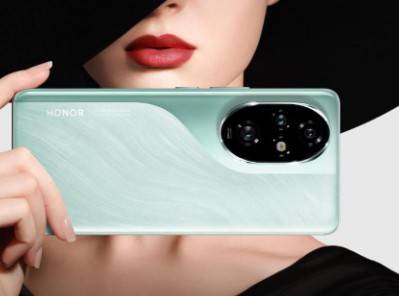
Prolonged use of smartphone screens can lead to digital eye strain, characterized by symptoms such as dryness, irritation, fatigue, and blurred vision. The high-energy visible (HEV) blue light emitted by screens penetrates deep into the eye, potentially affecting the retina and contributing to long-term vision issues. In addition, screen flicker and excessive brightness can intensify discomfort during extended use. Smartphones that integrate eye-care-focused display technologies—such as the HONOR 200 Pro—demonstrate how modern devices can actively address these challenges by optimizing light output and screen stability for improved visual comfort.
Key Benefits of Eye Protection Screens
Eye protection screens offer a range of benefits, helping reduce digital eye strain and supporting long-term vision health. By incorporating advanced technologies like blue light filters, flicker-free displays, and adaptive brightness, these screens can enhance comfort, improve sleep quality, and support the body’s natural circadian rhythms. Understanding these benefits can help users choose the right devices for healthier screen time.
Reduce Eye Strain With Blue Light Filters
Blue light filters are crucial for minimizing digital eye strain from prolonged screen use. These filters work by reducing the amount of HEV blue light emitted, which is linked to discomfort and potential retinal damage. By cutting down on this harsh light, blue light filters decrease eye fatigue and make extended screen time more comfortable. Users can experience less dryness and irritation when engaging in activities like reading or gaming on their smartphones. Several smartphones now offer customizable blue light filter settings, allowing users to adjust the level of filtration according to their preferences. This user-friendly approach empowers individuals to take control of their digital habits, promoting healthier eye practices and long-term vision preservation.
Improve Comfort With Flicker-Free and Adaptive Displays
Flicker-free screens enhance viewing comfort by eliminating the invisible flickers that can cause eye strain and headaches during extended use. Adaptive displays take this further by adjusting brightness levels based on surrounding lighting conditions, optimizing visibility without excess strain on the eyes. This intelligent technology ensures text clarity and color accuracy, providing a seamless viewing experience. Users benefit from reduced fatigue and improved focus, whether browsing through social media or working on intensive tasks. By investing in devices with flicker-free and adaptive screens, individuals can enjoy longer periods of comfortable and productive usage without compromising eye health, making it a wise choice for daily screen interactions.
Improved Sleep and Circadian Support
Smartphone screens influence sleep patterns by emitting blue light, known to suppress melatonin production, a hormone responsible for sleep regulation. Eye protection screens counteract this by filtering blue light and supporting the body’s natural circadian rhythms, allowing for improved sleep quality and duration. By reducing blue light exposure before bedtime, users can experience less disruption to their sleep cycles and achieve more restful sleep. Enhanced sleep contributes to overall well-being and productivity during the day. Incorporating these features into smartphones means a tangible improvement in sleep hygiene and a proactive approach to maintaining a balanced lifestyle, emphasizing the importance of eye-safe screen technology.
Practical Features to Look for in Eye-Safe Displays
When considering eye-safe displays, several practical features can make a significant difference. Key components include built-in eye comfort modes and settings, along with anti-glare and protective screen layers. Identifying these features ensures a holistic approach to eye care while using smartphone screens.
Built-In Eye Comfort Modes and Settings
Modern smartphones offer built-in eye comfort modes designed to optimize screen settings for healthier viewing experiences. These modes typically include personalized adjustments, such as blue light reduction and brightness control. With customizable settings, users can tailor their screen’s output to match their individual needs and preferences, alleviating eye strain and enhancing comfort. These built-in features empower users to establish habits that safeguard eye health while using digital devices extensively. By taking advantage of these accessible and user-friendly modes, individuals can proactively manage their screen time and prioritize visual well-being, reflecting a commitment to smarter, eye-conscious technology use.
Anti-Glare and Protective Screen Layers
Anti-glare and protective screen layers are essential components of eye-safe displays. Anti-glare technology minimizes reflections that can lead to eyestrain, especially in bright environments or under direct sunlight. Protective screen layers provide an additional barrier against accidental scratches and damage, preserving screen clarity and performance over time. These features not only contribute to maintaining visual comfort but also enhance the durability and longevity of smartphone displays. Users seeking devices equipped with these technologies can benefit from improved clarity and reduced eye discomfort during long-duration use. This focus on protection highlights a holistic approach to ensuring that smartphone usage remains healthier and more robust every day.
Conclusion
Incorporating eye protection screens into smartphones is crucial for maintaining vision health amidst increasing digital dependence. With features like blue light filters, adaptive displays, and anti-glare technology, users can significantly reduce eye strain, enhance comfort, and promote better sleep. These advancements reflect a commitment to well-being and smarter screen usage. As consumers grow more aware of the impacts of screen exposure, prioritizing eye-safe technology becomes essential. By being informed about the benefits and practical aspects of eye protection screens, users are empowered to make healthier choices that foster long-term visual health and overall well-being. Investing in these technologies opens the door to a healthier and more productive digital experience.