


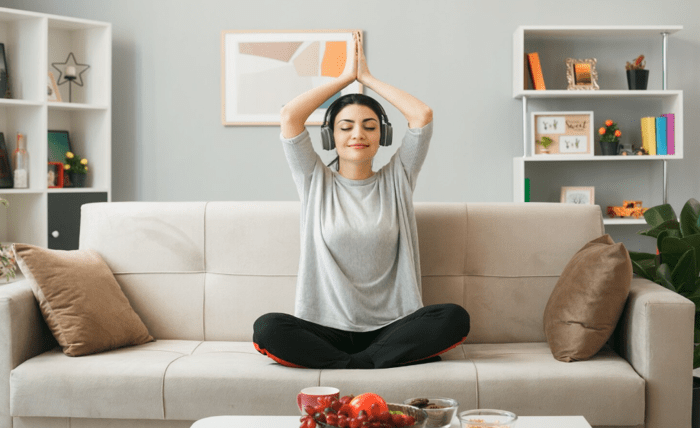
Self-care is a term that has become increasingly popular in recent years, yet it is often misunderstood. Many people associate self-care with occasional treats, holidays or spa days, but genuine self-care is far more than that. It involves making regular choices that support both your physical and emotional wellbeing.
In today’s fast-paced world, it’s easy to place work, family responsibilities and other commitments ahead of your own needs. While caring for others is important, consistently neglecting yourself can eventually lead to stress, burnout and emotional exhaustion.
Looking after your mental health isn’t an indulgence—it’s an essential part of maintaining a healthy, balanced life.
What Does Healthy Self-Care Look Like?
Effective self-care doesn’t have to be expensive or time-consuming. In fact, the most beneficial habits are often simple routines that are repeated consistently.
Examples include:
· Getting enough quality sleep each night.
· Eating nutritious meals at regular times.
· Exercising in a way that you enjoy.
· Spending time outdoors.
· Taking regular breaks from work.
· Limiting screen time when possible.
· Making time for hobbies and interests.
· Staying connected with supportive people.
These habits help restore both physical and emotional energy, making it easier to cope with life’s everyday challenges.
Recognising the Signs of Burnout
Many people continue pushing themselves long after their minds and bodies begin signalling that they need to slow down. Because burnout often develops gradually, the warning signs can be easy to overlook.
Common indicators include:
· Constant tiredness despite getting enough sleep.
· Feeling emotionally drained.
· Difficulty concentrating.
· Becoming impatient or irritable.
· Losing motivation for activities you once enjoyed.
· Feeling detached from work or relationships.
Ignoring these symptoms rarely improves the situation. Instead, they often become more severe if healthy boundaries aren’t introduced.
Recognising burnout early allows you to make positive changes before your wellbeing is significantly affected.
Why Setting Boundaries Matters
One of the most important aspects of self-care is learning when to say no.
Many people feel guilty about declining requests or putting their own needs first. However, constantly agreeing to additional responsibilities can leave little time for rest or recovery.
Healthy boundaries aren’t about avoiding responsibility—they’re about protecting your wellbeing so that you can continue supporting others without sacrificing your own mental health.
Creating balance between work, family and personal time allows you to recharge and maintain greater emotional resilience over the long term.
When Self-Care Isn’t Enough
Although healthy habits play an important role in maintaining wellbeing, there are times when additional support is needed.
Persistent anxiety, overwhelming stress or prolonged low mood may not improve through self-care alone. Seeking professional guidance can provide valuable insight, practical coping strategies and a safe environment to explore difficult emotions.
For anyone considering Counselling in Northampton, working with an experienced counsellor can help identify the underlying causes of emotional challenges while providing personalised support to improve confidence, resilience and overall mental wellbeing.
Small Changes Can Make a Big Difference
Many people believe they need to completely transform their lifestyle before they’ll feel better. In reality, lasting improvements often begin with small, manageable changes.
Taking a short walk each day, establishing a healthier sleep routine, spending more time with supportive people or simply allowing yourself regular moments to pause can all have a meaningful impact on your wellbeing over time.
Looking after your mental health is an ongoing commitment rather than a one-time event. By making self-care a regular part of everyday life and recognising when professional support could be beneficial, you give yourself the best opportunity to manage life’s challenges with confidence, maintain emotional balance and enjoy a healthier future. Every positive choice, no matter how small, contributes to stronger mental wellbeing.