


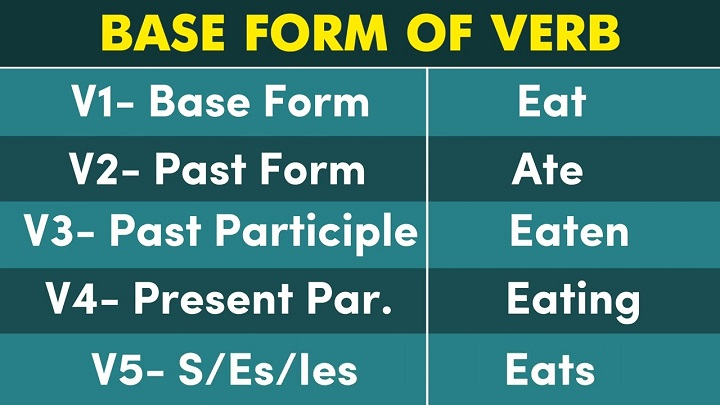
English grammar mein verbs yaani kriya har sentence ka base hoti hai. Har verb ke teen basic forms hote hain: present, past, aur past participle. Ye form batate hain ki action kab hua, abhi ho raha hai, pehle ho chuka hai, ya abhi hone wala hai.
Aaj hum ek simple aur common verb “eat” ke bare mein padhenge. Eat ka matlab hota hai khana, aur ye daily life mein sabse zyada use hone wale verbs mein se ek hai. Iska past tense form ate hota hai aur past participle eaten.
Definition of Eat
Eat ek irregular verb hai. Irregular verbs wo hote hain jinka past aur past participle form regular verbs ki tarah “-ed” lagakar nahi banta. Regular verbs mein jaise “work → worked,” “play → played,” waisa nahi hota.
Eat ka past tense ate hota hai aur past participle eaten.
| Verb Form | Example |
| Present | eat |
| Past | ate |
| Past Participle | eaten |
Example Sentences:
• I eat breakfast every day.
• I have eaten breakfast already.
Formula of Past Tense of Eat

Formula:
Subject + past form (ate) + object
Examples:
• I ate rice for lunch.
When to Use Eat in Past Tense
Eat ka past tense ate tab use hota hai jab koi action pehle ho chuka ho. Aap jab kisi past eating action bare mein baat karte ho jo complete ho gaya ho. To tab “ate” lagate hain.
Examples:
• We ate lunch together yesterday.
• She ate pizza at the party.
In sab mein action already ho chuka hai.
Positive Sentences
Formula: Subject + ate + object
Examples:
• I ate biryani last night.
• They ate in the restaurant.
• She ate two apples.
• We ate dinner at home.
Ye sab sentences positive hain, jisme action eating past mein ho gaya hai.
Negative Sentences
Formula: Subject + did not + eat + object
Examples:
• I did not eat breakfast.
• She did not eat the cake.
• They did not eat with us.
Interrogative Sentences
Formula: Did + subject + eat + object?
Examples:
• Did you eat breakfast?
• Did she eat with you?
• Did they eat at home?
Jab question banana ho, to “did” sentence ke start mein aata hai aur main verb base form mein rehta hai.
Wh-Question Sentences
Formula: Wh-word + did + subject + eat + object?
Examples:
• Where did they eat yesterday?
• Who did you eat with?
Wh-words aapko question detail mein puchhne ke liye help karte hain.
Common Time Expressions
Past tense mein “ate” ke sath kuch specific time words zyada use hote hain:
- yesterday
• last night
• last week
• an hour ago
• this morning
• a few minutes ago
Examples:
• I ate an ice cream yesterday.
• They ate breakfast an hour ago.
• She ate noodles last night.
Ye time expressions hamesha past tense ke sath match karte hain.
Easy Way to Remember:
Eat → Ate → Eaten
(Present → Past → Past participle)
Example Sentences for All Three:
• I eat eggs every morning.
• I ate eggs yesterday.
• I have eaten eggs many times.
Negative Form Detailed Explanation
Jab aapko batana ho ki aapne khana nahi khaya, to “did not eat” use hota hai.
Examples:
• I did not eat breakfast today.
• They did not eat at the party.
Agar aap “did not ate” bolte hain to wo grammar ke hisaab se galat hota hai, kyunki “did” already past form hai.
Correct Form: did not eat
Wrong Form: did not ate
Interrogative (Question) Form Detailed Explanation
Questions banate waqt “did” sentence ke shuruaat mein lagta hai.
Examples:
• Did you eat lunch?
Answer bhi simple hota hai:
• Yes, I ate lunch.
Use of Eaten in Perfect Tenses
Agar aapko “have,” “has,” ya “had” ke sath “eat” ka use karna ho, to past participle form “eaten” lagta hai.
Examples:
• She has eaten already.
• They had eaten before we arrived.
“Eaten” tab use hota hai jab aapko show karna ho ki action past mein complete hua tha lekin abhi uska effect present mein hai.
Examples for Speaking Practice
- I ate biryani with my friends.
• Did you eat something today?
• She didn’t eat anything in the morning.
• We ate ice cream after dinner.
• He had eaten before going to bed.
• They ate at a new café yesterday.
Aap in lines ko daily life ke sentences mein use kar sakte ho. Ye English speaking mein natural lagti hain.
Related Expressions with Eat

Eat ke sath kuch common phrases bhi use hote hain jo English mein natural lagte hain:
- eat out – bahar khana
Example: We ate out last weekend. - eat up – poora khana
Example: Eat up your food before it gets cold. - eat like a horse – bahut zyada khana
Example: He eats like a horse after gym. - eat less – kam khana
Example: You should eat less junk food. - eat breakfast/lunch/dinner – khana khana
Example: She eats dinner at 9 every day.
In phrases se English zyada expressive aur natural ban jaati hai.
Importance of Understanding Eat in Daily Life
Eat ek aisa verb hai jo har roz ke conversation ka hissa hai. Aap chaahe restaurant mein order kar rahe ho, kisi friend se baat kar rahe ho, ya apna routine describe kar rahe ho, “eat” word har jagah fit ho jata hai. Agar aap iska correct past tense use karte ho, to aapke sentences zyada clear lagte hain.
Example:
- She ate nothing since morning.
Ye examples dikhate hain ki ek simple verb jaise “eat” English fluency ke liye kitna important hai.
Practice Tip for Learners
Agar aap “eat,” “ate,” aur “eaten” ko naturally use karna chahte hain, to practice karein short sentences bolkar. Har form ke 3-4 sentences likhne aur bolne ki aadat daalein. Aap apne routine ke sentences likh sakte ho:
- I eat breakfast at 8.
• I ate breakfast at 8 yesterday.
• I have eaten breakfast already.
Aise daily repetition se ye forms aapke mind mein fix ho jaayenge aur aap naturally sahi form use kar paayenge.
Eat ek simple par powerful verb hai jiska sahi use English grammar mein clarity laata hai. Iska past tense ate hota hai aur past participle eaten. Jab aap kisi past action ke bare mein baat karte hain, to “ate” use karein. Agar aapko show karna hai ki action complete ho gaya hai aur abhi uska result hai, to “eaten” use karein.
Aapko sirf itna yaad rakhna hai:
Eat → Ate → Eaten
Regular practice se ye forms naturally yaad ho jaayenge aur aapki English grammar perfect ho jaayegi.