


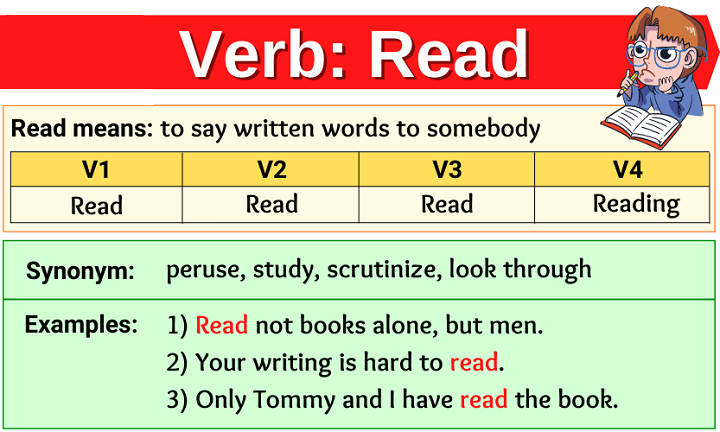
English grammar mein kuch verbs aise hote hain jo dekhne mein same lagte hain, lekin unka pronunciation aur use alag hota hai. Read unhi irregular verbs mein se ek hai. Yeh word students, professionals, aur daily speakers sabhi ke liye common hai, par sabse zyada confusion iske past tense pronunciation mein hoti hai.
Aapne likha hoga “I read a book yesterday” lekin yahan “read” likhne ke bawajood iska pronunciation “red” hota hai, jaise color red.
Is article mein hum “read” ke sabhi forms, unka correct use, formula, aur examples ko detail mein samjhenge. Aap ye bhi seekhenge kaise “read” ka past tense aur participle form daily English conversation mein naturally fit hota hai.
Definition of Read
“Read” ek irregular verb hai jiska meaning hota hai padhna. Iska uses books, newspapers, messages, ya kisi bhi written content ke liye hota hai.
Example:
- I read books every day. (Main roz kitaabein padhta hoon.)
- She reads the newspaper every morning. (Woh har subah akhbaar padhti hai.)
Jab hum kisi past action ke bare mein baat karte hain, jahan reading complete ho chuki ho, tab hum “read” ka past tense form use karte hain jo likhne mein same hai, par bolne mein “red” hota hai.
Example:
- I read that novel last night. (Mainne kal raat wo novel padhi.)
Formula of Read in Past Tense
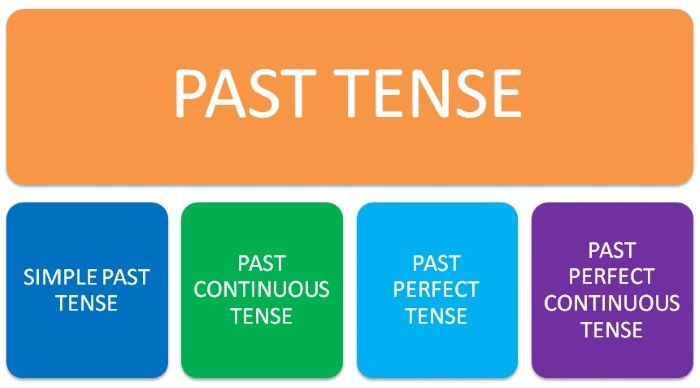
Formula:
Subject + read (pronounced red) + object
Examples:
• I read the story yesterday.
• She read the letter last night.
• They read about the new law in the newspaper.
Ye sab sentences show karte hain ki reading action past mein ho chuka hai.
Positive Sentences
Formula: Subject + read + object
Examples:
• I read a poem yesterday.
• He read the entire book last week.
• We read about climate change in class.
• They read the news on the internet.
In sab sentences mein “read” ka meaning hai padha, jo ek completed action ko dikhata hai.
Negative Sentences
Formula: Subject + did not + read + object
Important point: “Did not” ke sath verb hamesha apne base form mein rehta hai. Isliye “read” likha jaata hai aur pronunciation “reed” hoti hai.
Examples:
• I did not read that article.
• She did not read the message.
• We did not read the story carefully.
• They did not read the terms and conditions.
Common mistake: “did not read” ke badle “did not readed” likhna galat hai. Irregular verbs mein “ed” kabhi nahi lagta.
Interrogative Sentences
Formula: Did + subject + read + object?
Examples:
• Did you read the notice?
• Did she read the letter?
• Did they read the book yesterday?
• Did he read the news?
Yahan bhi “read” apne base form mein use hota hai, chahe question kisi past action ke liye hi ho.
Wh-Question Sentences
Formula: Wh-word + did + subject + read + object?
Examples:
• What did you read today?
• When did he read the report?
• Where did they read about it?
• Who did you read with?
Wh-questions reading ke context ko clear karte hain aur sentence ko meaningful banate hain.
When to Use Read in Past Tense
Kisi past activity ke liye jo complete ho chuki hai
- I read the newspaper yesterday morning.
- She read the story to the children.
Past habits ya repeated actions batane ke liye
- My grandmother read me fairy tales.
Reports ya information ke reference ke liye
- I read that the movie won an award.
- They read the news about the new policy.
Academic ya learning ke situations mein
- We read Shakespeare in school.
- He read about the history of Rome.
Common Time Expressions
Past tense mein “read” ke sath ye time words aksar milte hain:
• last night
• last week
• a few days ago
• this morning
• when I was a child
• earlier today
Examples:
• I read the article last night.
• They read the message a few minutes ago.
• She read that book when she was young.
Ye phrases help karte hain sentence ko past time ke sath connect karne mein.
Difference Between Read, Reads and Read (Past)
| Form | Tense | Example | Pronunciation |
| Read | Present | I read books. | /reed/ |
| Reads | Present (singular subject) | She reads novels. | /reeds/ |
| Read | Past | I read that book yesterday. | /red/ |
Yahan confusion mostly pronunciation mein hoti hai. Dhyaan rakhiye, “read” ka past tense red bolte hain, spelling same rehti hai.
Examples of Daily Use
- I read an interesting article yesterday.
- She read your message but didn’t reply.
- We read about global warming in class.
- He read the rules before starting the game.
- We read about the incident in the newspaper.
Ye examples aapko dikhate hain ki “read” har context mein use ho sakta hai — study, conversation, news, entertainment sab mein.
Use of “Have Read” (Past Participle)
Agar aapko batana hai ki aapne koi kaam pehle hi kar liya hai, to “have read” use hota hai. Ye Present Perfect Tense hota hai.
Examples:
• I have read that novel before.
• She has read all the chapters.
• They have read the instructions already.
Yahan “have” ya “has” helping verb ke roop mein aata hai aur “read” ka pronunciation “red” hi rehta hai.
Past Continuous vs. Simple Past
Past Continuous batata hai ki action chal raha tha, jabki Simple Past dikhata hai ki action complete ho gaya.
Examples:
• I read a book last night. (Action complete ho gaya.)
• I was reading a book when you came. (Action chal raha tha.)
Yahan dono alag sense dete hain.
Importance of Read in Daily English
“Read” ek aisa verb hai jo learning aur communication dono mein important hai. Har field mein iska use hota hai — school, office, ya daily life. Jab aap correct form use karte hain, to aapka sentence grammatically strong lagta hai.
Examples:
- I read the manual before using the machine.
- She read the policy document carefully.
- We read about history in school.
Aapka reading habit aur grammar dono strong ban jaate hain jab aap is verb ka sahi use seekh lete ho.
Practice Tips for Learners
- Daily ek sentence likhiye jisme “read” ka past form ho.
- Book ya article padhkar likhiye, “Today I read about ___.”
- Apne friends ke sath English mein practice karein — “What did you read today?”
Example Practice:
• I read a story last night.
• She read about health tips online.
• They read history before the exam.
Is practice se “read” ke pronunciation aur tense dono naturally yaad ho jaayenge.
Real-Life Situations
Aap “read” ka use har jagah karte hain — reading newspaper, books, social media posts, ya text messages.
Examples:
• I read your comment on Instagram.
• She read the news about the new phone.
• We read the signboard carefully while driving.
Ye sentences practical aur natural English ke examples hain.
Difference Between Read and Reading
Read ek verb ka base aur past form dono hai, jabki reading continuous action ko show karta hai.
Examples:
• I read yesterday. (Past action)
• I am reading now. (Current action)
• I was reading last night. (Action past mein chal raha tha)
Ye difference samajhna important hai taaki aap tenses galat na milayein.
How to Remember the Pronunciation
Sabse easy trick:
Present tense – /reed/ (sound like seed)
Past tense – /red/ (sound like color red)
Example Practice:
• Today, I read (reed).
• Yesterday, I read (red).
Aise bolkar daily practice karne se pronunciation automatically correct ho jaata hai.
“Read” ek simple aur irregular verb hai jiska correct use aapke grammar aur communication dono ke liye zaroori hai. Iska past tense likhne mein same hota hai, par pronunciation red hoti hai.
Aapko yaad rakhna hai:
Read (reed) – Present
Read (red) – Past and Past Participle
Example:
- I read the book yesterday.
- I have read that story before.
Daily life mein “read” ke correct form ka use karne se aapki English aur pronunciation dono improve hote hain. Practice karein short sentences likhkar aur bolkar, kuch dinon mein ye tense aapke liye bilkul natural ho jaayega.